
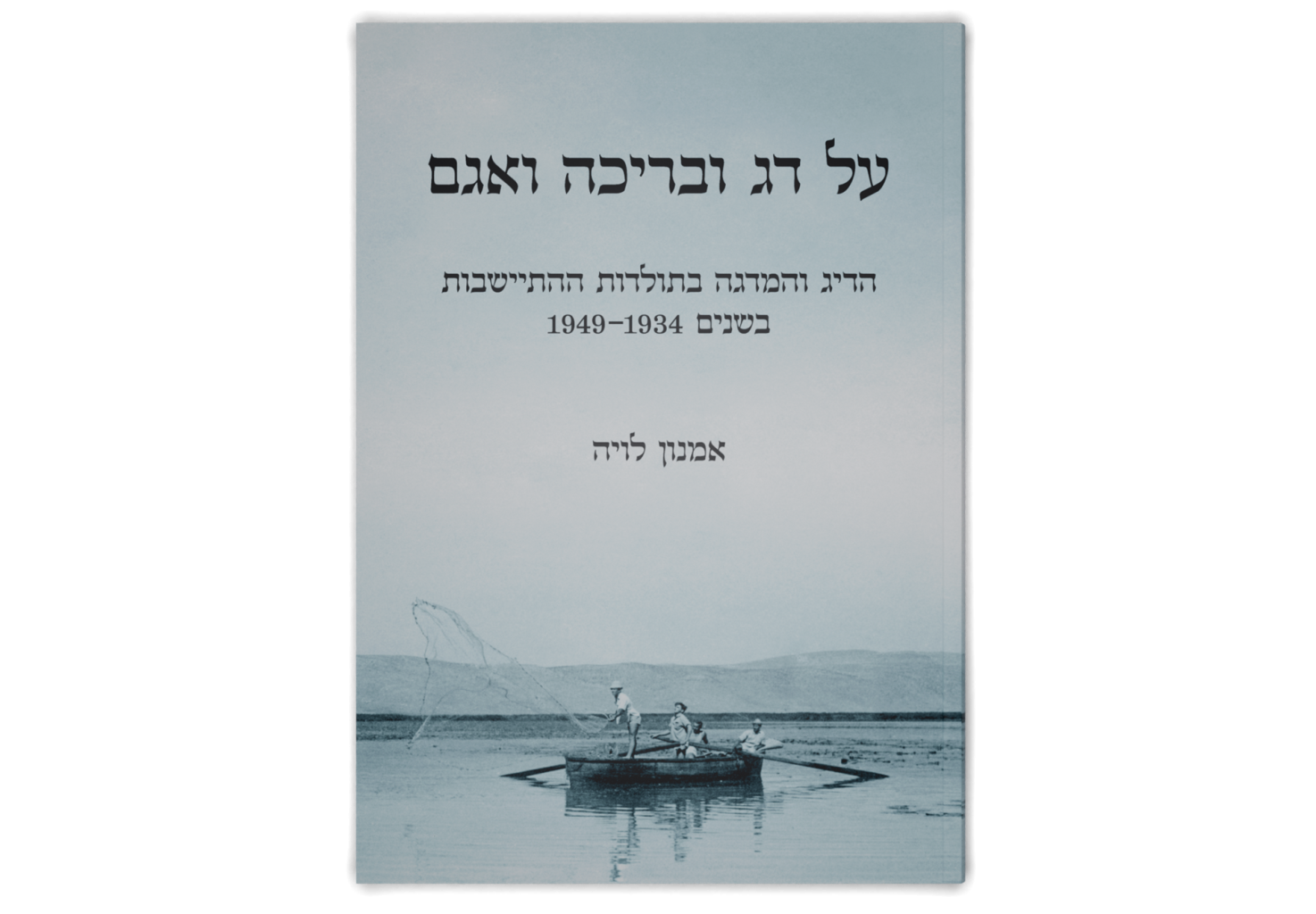
Of Fish, Pond and Lake: The History of Fishing and Fish Breeding in Agricultural Settlements in the Land of Israel, 1934-1949
Amnon Loya
מחיר קודם: $63
$44
Availability: In Stock
Of Fish, Pond and Lake: The History of Fishing and Fish Breeding in Agricultural Settlements in the Land of Israel, 1934-1949 traces the pioneers of fishing and fish farming in the Land of Israel from the 1930s through the early years of statehood. The book documents fishing in the Sea of Galilee and the Hula Valley, the role of Jewish settlement under Ottoman and British rule, regulatory frameworks, and the rise of fish ponds as a response to ecological and agricultural challenges. Through kibbutz initiative and innovation, fishing and aquaculture supplied up to 40% of the community’s protein needs, connecting settlement, ecology, and food security during a formative period in Israeli history.
About the Book
With the arrival of the first waves of Jewish immigrants who established new settlements in the Land of Israel, economic stability and agriculture became a top priority. Despite the country’s long Mediterranean coastline, coastal fishing was barely developed. Early attempts at fishing in rivers, lakes, and in the waters of the Sea of Galilee and the Hula Valley were largely unsuccessful, mainly due to a lack of equipment and infrastructure.
During the 1930s, as Jewish settlement expanded, fishing began to be organized more systematically by both the British Mandatory authorities and Zionist institutions—most notably the Sea Department of the Jewish Agency.
In the 1940s, fish farming in ponds emerged as a vital agricultural branch. It provided a productive use for swampy lands and brackish waters unsuitable for crop cultivation. This innovation enabled settlements in the Beit She’an, Hula, and Jordan Valleys, as well as near the Jordan River’s outlet to the Dead Sea, to establish themselves and prosper.
Fishing and fish farming supplied up to 40% of the protein consumption of the developing Jewish community and were essential to its survival and growth. The book offers an engaging and optimistic account of this lesser-known chapter of history, bridging ecology, agriculture, and settlement. It is ideal for readers interested in the history of the Land of Israel, agriculture, and fishing.
About the Author
Amnon Loya is a member of Kibbutz Amir in the Hula Valley, a tour guide in Israel and internationally, and a professional with extensive experience in fish farming. The book is based on in-depth research that began more than twenty years ago, originating in his MA thesis at the University of Haifa (200
Frequently Asked Questions
What is the book about?
The book documents the pioneers of fishing and fish farming in Israel—from the Sea of Galilee and the Hula Valley to fish ponds in the Hula and Beit She’an Valleys—highlighting agricultural innovation, ecological adaptation, and food security.
Who are the main people and institutions featured?
Kibbutz and moshav members, researchers, government officials, and entrepreneurs who led groundbreaking initiatives in fishing and aquaculture.
Which historical periods does the book cover?
From the late Ottoman period, through the British Mandate, to the early years of the State of Israel after 1948.
What kinds of agricultural and ecological activity are described?
Fishing in rivers, lakes, and ponds; the establishment of fish ponds; ecological innovations; lake management; and water resource use.
Who is the book intended for?
Readers interested in the history of the Land of Israel, agriculture, fishing and aquaculture, ecological sustainability, and the history of settlement.
Key Topics
Early fishing and fish farming in the Land of Israel
Fishing regulations under Ottoman and British rule
Zionist institutions and agricultural policy
Kibbutz initiatives and cooperative organization
Development of fish ponds (1934–1949)
Ecological innovations and water management
Contributions to settlement and food security
Historical documentation and rare photographs