
A Cracked Bell
Itay Bahur
מחיר קודם: $63
$44
Availability: In Stock
A Cracked Bell by Itay Bahur is a detailed historical and literary study of the First Aliyah and the founding of Zichron Ya’akov. Drawing on primary sources, archival records, and approximately 145 rare, restored photographs, the book provides a sharp critical examination of Baron Edmond de Rothschild and his administrative system. It explores power dynamics, corruption, struggles for autonomy, and the settlers’ resistance to centralized control. Offering a deeply human account of fifty years of conflict, the book reveals the gap between the settlement myth and the lived reality of the pioneers.
A Cracked Bell is a remarkable book. Its author, Itay Bahur, offers a rare historical perspective—not only on the beginnings of Jewish settlement in the Land of Israel (the First Aliyah), but also on a significant managerial and organizational experiment undertaken at great human cost. Despite—and perhaps because of—his personal connection to the colony, Bahur succeeds in presenting a balanced and compelling historical and chronological framework that tells the true story of Israel’s first farmers.
— Lior Shohat, Learning from History, Status: The Management Thinking Monthly, September 2006

About the Book
A Cracked Bell is both a historical narrative and a scholarly work that explores Zichron Ya’akov and the First Aliyah settlements from the 1880s through the 1930s. The book presents a broad human mosaic, drawing on letters, diaries, meeting protocols, period newspapers, medical reports, photographs, and other firsthand testimonies.
At its heart, the book examines the system of tenant farming imposed by Baron Edmond de Rothschild through a centralized bureaucracy, and the settlers’ ongoing struggle for freedom, property, and independence. Alongside well-known historical figures—Theodor Herzl, Naftali Herz Imber, Eliezer Ben-Yehuda, Ahad Ha’am, and Aaron and Sarah Aaronson—the narrative gives voice to anonymous farmers, determined women, physicians, clerks, adventurers, and opportunists, all woven into a richly layered story.
The bell installed in Zichron Ya’akov in 1884, which regulated the farmers’ daily routines, becomes a vivid symbol of control, discipline, and loss of freedom—and ultimately, of resistance.
It has been a long time since a historical book provoked such a surge of raw anger in me as Itay Bahur’s A Cracked Bell. Bahur’s strength lies in his decision to present the facts plainly and trust the reader to interpret them as they are. The book’s significance comes from its role as a stark warning to powerful benefactors everywhere.
— Nir Man, The Rothschild Bully, Makor Rishon, July 29, 2005
About the Author
Itay Bahur is an author from Zichron Ya’akov whose work explores the personal, historical, and contemporary realities of the Zionist dream in tension with Israel’s social and political landscape. He spent around fifteen years researching and writing A Cracked Bell, guided by a dedication to factual accuracy and to restoring a human voice to figures often reduced to myth.
Frequently Asked Questions
What is the central focus of A Cracked Bell?
The book traces fifty years of struggle during the First Aliyah through the founders of Zichron Ya’akov, who sought to live according to their liberal-democratic values while resisting Rothschild’s attempt to control them as tenant farmers under a centralized system.
Is the book based on historical research?
Yes. It draws on primary sources, including letters, diaries, official protocols, contemporary newspapers, and original photographs.
How is Baron Rothschild portrayed?
As a complex figure: a driving force behind Jewish settlement in Palestine, yet also an authoritarian leader whose policies ensured survival while limiting long-term development.
Who is the book intended for?
Readers interested in early Zionist history, Jewish settlement in Palestine, and the intersection of ideology, capital, and human freedom.
What sets this book apart from other historical works?
Its combination of rigorous research, literary-critical writing, a broad human perspective, and rare visual documentation.
Key Topics
The First Aliyah and the founding of Zichron Ya’akov
Rothschild’s centralized administration
The tenant-farming system and its social impact
Struggles for freedom, property, and personal identity
Jewish–Arab relations in the early settlements
Press, propaganda, and public dissent
Women’s roles in the settlement struggles
Myth versus documented history
Explore More Israel Studies Books
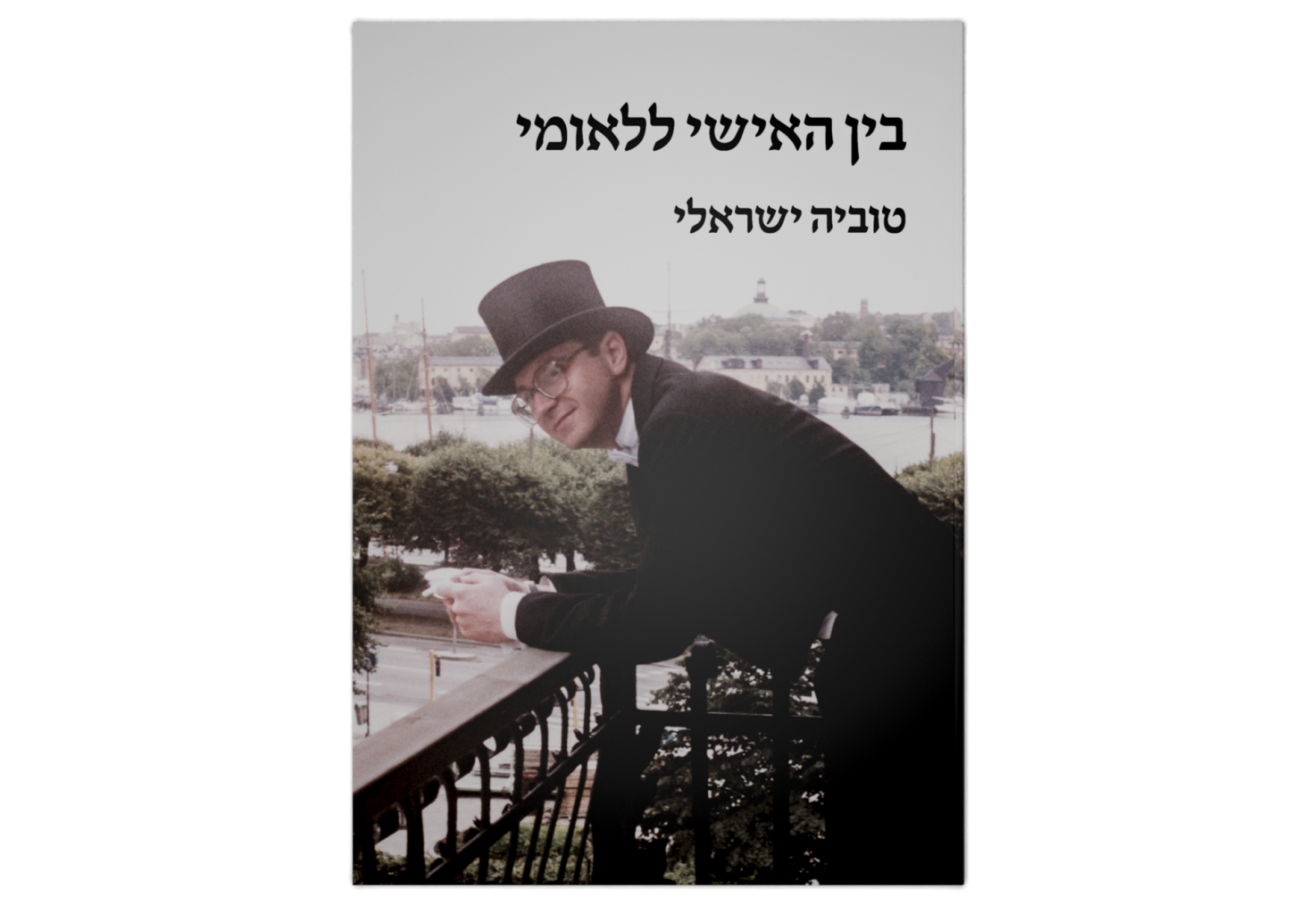
A Life Worth Living – From Immigrant to Ambassador
Tuvia Israeli
$30
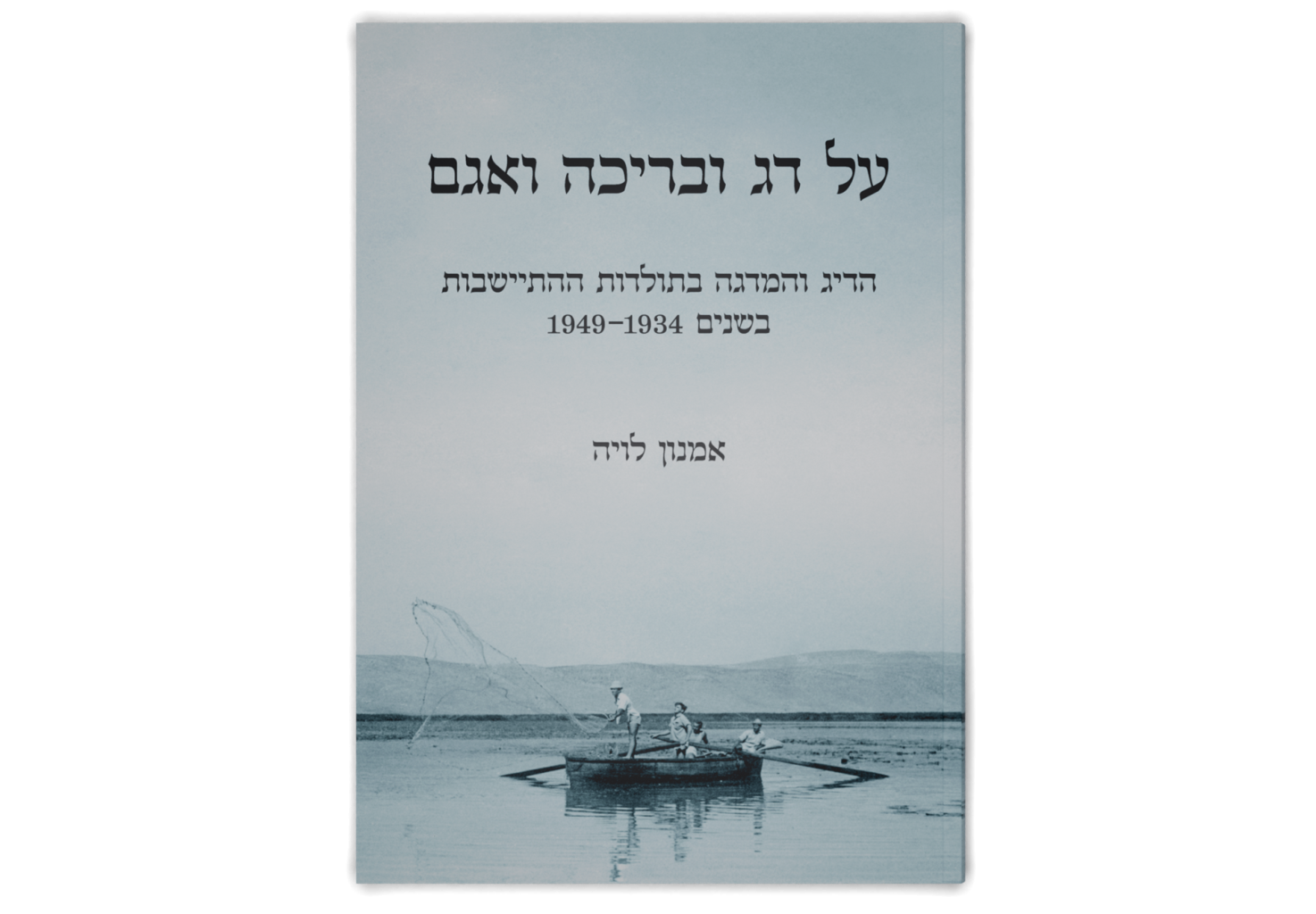
Of Fish, Pond and Lake: The History of Fishing and Fish Breeding in Agricultural Settlements in the Land of Israel, 1934-1949
Amnon Loya
$44

Ich suche nach meiner Familie
Avishay Golz
$44
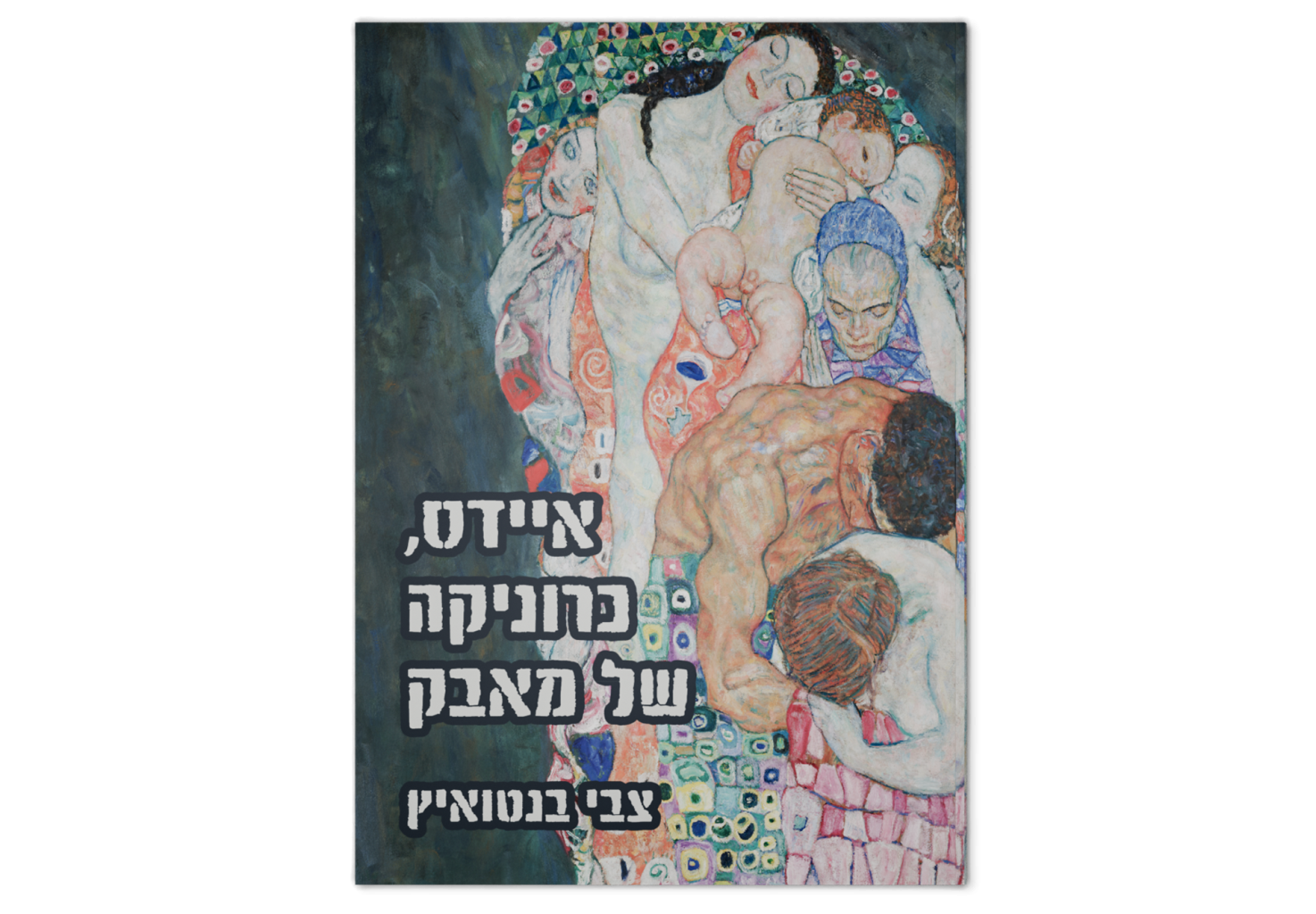
AIDS in Israel: Challenge and Success
Zvi Bentwich
$30