
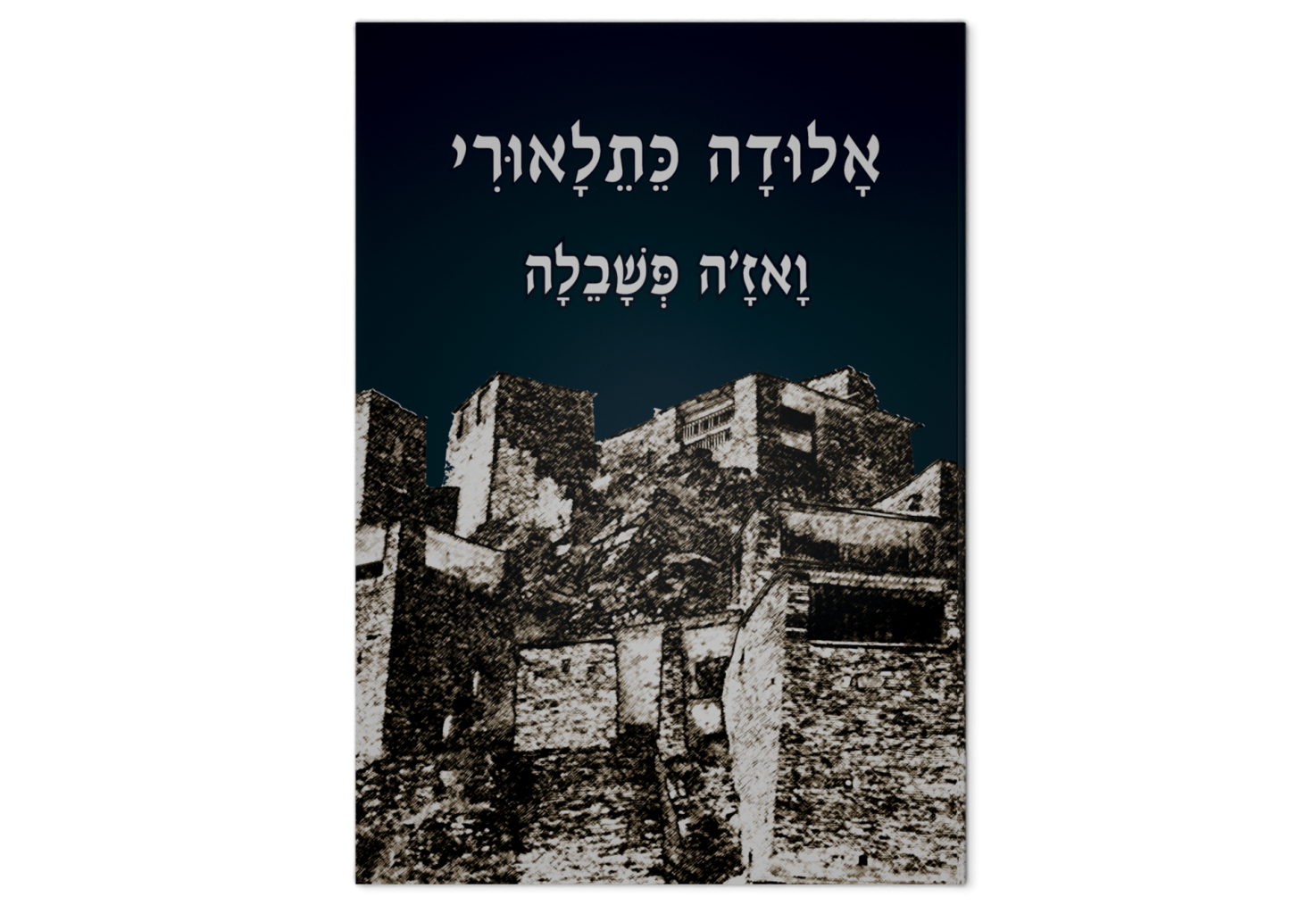
Aluda Ketelauri
Vazha Pshavela
מחיר קודם: $33
$23
Availability: In Stock
Aluda Ketelauri by Vazha Pshavela is widely regarded as one of the great achievements of Georgian epic literature and a powerful reflection on honor, identity, and moral responsibility shaped by the culture of the Caucasus highlands. This bilingual Hebrew and Georgian edition presents the first Hebrew translation of this landmark work in nearly fifty years, offering a renewed opportunity for cross cultural literary exchange.
At the heart of the poem lies a profound moral conflict between tribal and religious law and an individual’s inner conscience. Vazha Pshavela transforms this struggle into a timeless human tragedy that explores integrity, faith, and the cost of standing by one’s ethical convictions.
Yes, the world needs Vazha, and he is deeply missed wherever there is violence, cruelty, and injustice. His words, rooted in the language of the Bible, serve as a beacon in a troubled world, offering hope and affirming the triumph of goodness and light.
— Lela Razikashvili, granddaughter of the poet and President of the Vazha Pshavela Foundation
About the Book
Set in Khevsureti, a remote mountain region on the border between Christian Georgia and Muslim Chechnya, the poem portrays a community shaped by strict traditions of honor, loyalty, and retribution. Aluda Ketelauri, a highland warrior, kills his enemy but refuses to follow the traditional ritual of severing his opponent’s hand. Rooted in empathy and personal moral conviction, his refusal sparks a dramatic confrontation with his community. Aluda is ostracized, his home destroyed, and he is forced into exile, revealing the tragic clash between individual conscience and the collective force of religion, tradition, and communal law.
Stylistically, the poem is distinctive and daring, moving between epic and lyrical modes, formal and plain language, vivid natural imagery, and introspective, dreamlike passages. The volume includes an introduction on Vazha Pshavela’s life and literary legacy, the culture of the Georgian highlands, and the translation process. This edition was published with the support of the Georgian National Book Center.
The translation was completed by Professor Memoka Buchcharikidze and adapted for Hebrew readers in collaboration with Hedva Rokach and Itay Bahur. It seeks to preserve not only the meaning of the original text but also the cultural spirit of Khevsureti, creating a meaningful bridge between Georgian and Hebrew literary traditions.
About the Author
Vazha Pshavela is one of Georgia’s most celebrated poets and the leading literary figure of the 19th century. His work is rooted in highland folklore, featuring concise and powerful language, striking shifts between formal and everyday speech, and a unique voice in epic poetry.
Frequently Asked Questions
What is the book about?
This landmark Georgian epic explores the tension between individual conscience and rigid tribal and religious codes, following the moral and tragic journey of Aluda Ketelauri.
Who is this book for?
Readers of poetry and epic literature, those interested in Georgian culture and history, folklore scholars, and anyone drawn to questions of ethics, power, and social responsibility.
What is unique about this edition?
This bilingual Hebrew and Georgian edition offers rich cultural and historical context, allowing readers to experience the poem in both its original language and its translation.
How are the language and style characterized?
The poem blends epic and lyrical modes, vivid natural imagery, interior reflection, formal rhyme and meter, and striking shifts between elevated and everyday speech.
What cultural value does the book offer?
The book provides insight into the culture of the Georgian highlands, epic and modernist poetic traditions, folklore, and the relationship between ethics and artistic expression. The translation also creates a meaningful literary bridge between Georgian and Hebrew readers.
Key Topics
Classic Georgian epic literature
The tension between individual conscience and tribal traditions
Honor, loyalty, and the cycle of vengeance
Compassion and moral courage
The struggle of the individual against collective expectations
Folklore and cultural traditions of the Georgian highlands
Bilingual edition in Georgian and Hebrew
Explore More Georgia Books
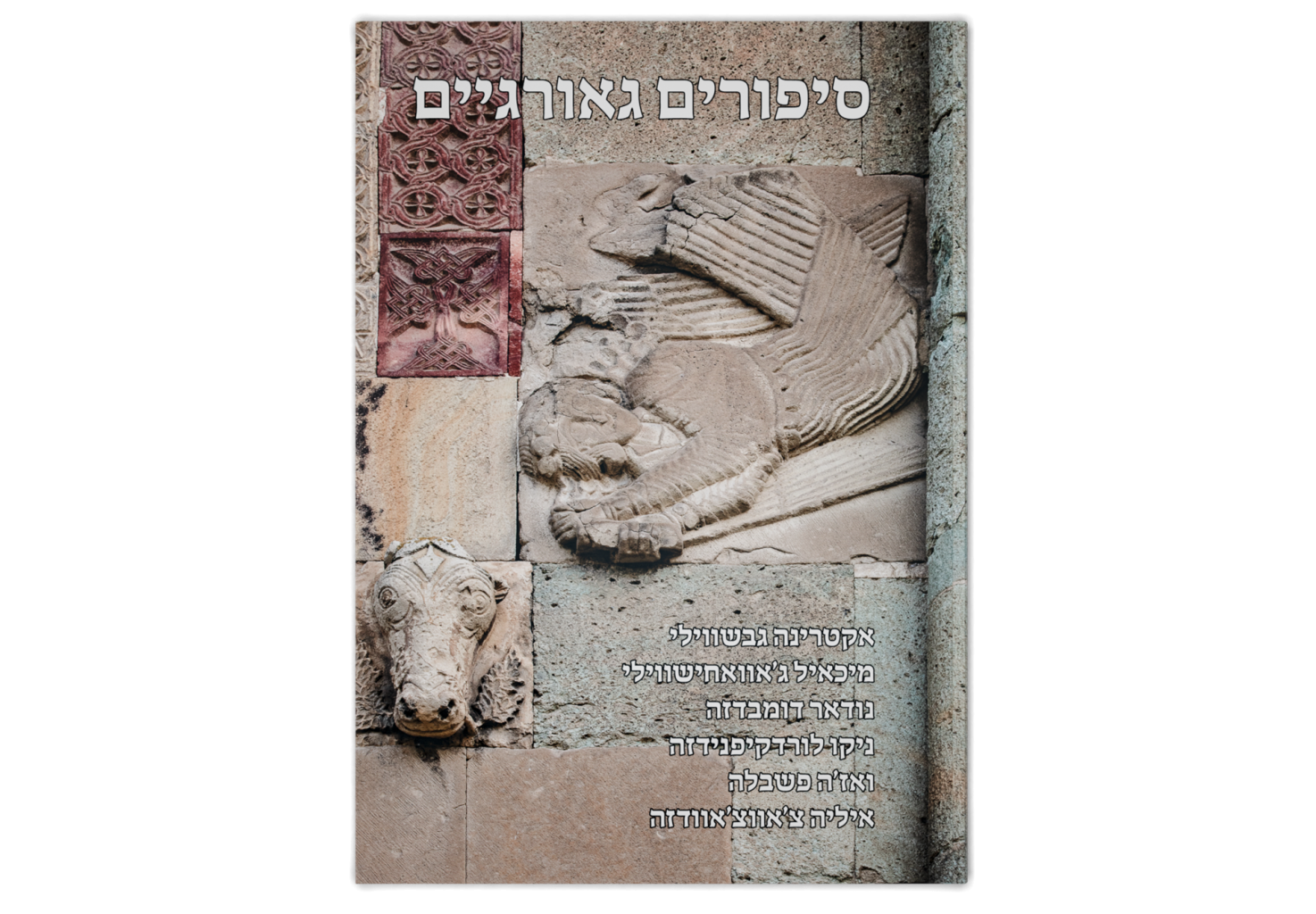
Georgian Stories: An Anthology
Ilia Chavchavadze, Ekaterine Gabashvili, Vazha-Pshavela, Mikheil Javakhishvili, Niko Lortkipanidze& Nodar Dumbadze
$30

The Georgian Jews in Georgia and the Land of Israel
Nathan Eliashvili
$23

Tbilisi Dream
Hedva Rokach
$57

An Autumn in Tbilisi
Hedva Rokach and Itay Bahur
$30