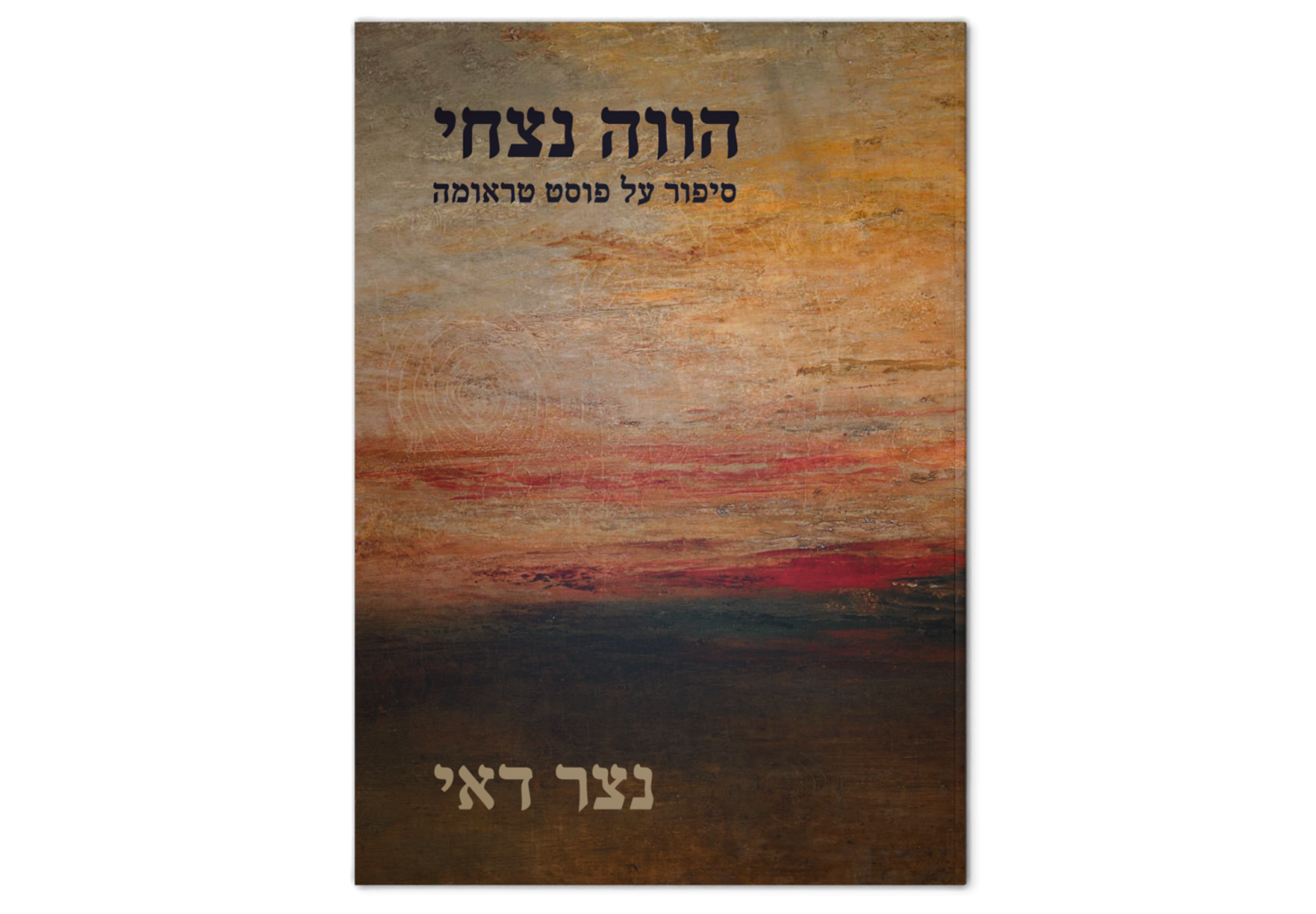
Eternal Present: A Story About Post Trauma
Netzer Daie
מחיר קודם: $33
$24
Availability: In Stock
Eternal Present: A Story About Post Trauma is an intimate psychological novel that explores post-traumatic stress through the inner life of a military psychologist injured in the Yom Kippur War. Written as a stream-of-consciousness narrative, it shows how traumatic memories invade daily life, turning the present into an “eternal present.” Routine bus rides to an air force base trigger memories of combat, fractured intimacy, migration, and emotional isolation. Drawing on both personal and clinical experience, the novel provides a vivid and authentic portrayal of PTSD and the slow, delicate process of healing, immersing readers in the experience of trauma from the inside out.
I read your book Eternal Present this past Saturday and want to thank you for your courage in writing and sharing. The precision of your words touched me deeply. In many passages, I found myself thinking: yes, this is it—these are the torn fragments of the soul and its scars, the vivid depiction of the suffering caused by a war from which one never truly returns. From the words we give the psyche, a soul is formed, even if its wings have not yet fully grown. And the tightness in the throat remains, making life difficult.
Bless you for your integrity; only with such raw material can the work truly begin.
— Letter (name withheld), January 2024
About the Book
The novel tells the story of a military psychologist serving as a psychology officer in the Israeli Air Force, who himself suffers from combat trauma following the Yom Kippur War. His daily drives transporting soldiers from Jerusalem to the base form the narrative framework, but the heart of the story unfolds within his mind: memories of battle, postwar life, and failed intimate relationships shaped by deep emotional detachment.
The book explores the roots of post-traumatic stress not only in the war itself, but also in earlier experiences of displacement, immigration, and cultural identity. These tensions surface in his conflicting attraction to Ashkenazi and Mizrahi women. As the story progresses, the accounts of soldiers under his care trigger new flashbacks, threatening to unravel both his personal and family life.
Psychological treatment is not portrayed as a dramatic cure, but as a slow, everyday, and demanding process that offers gradual relief and cautious recovery. Written in the third person, the novel reflects emotional self-distance, a hallmark of post-traumatic experience, and invites readers into an intimate, painful, and deeply human inner journey.
About the Author
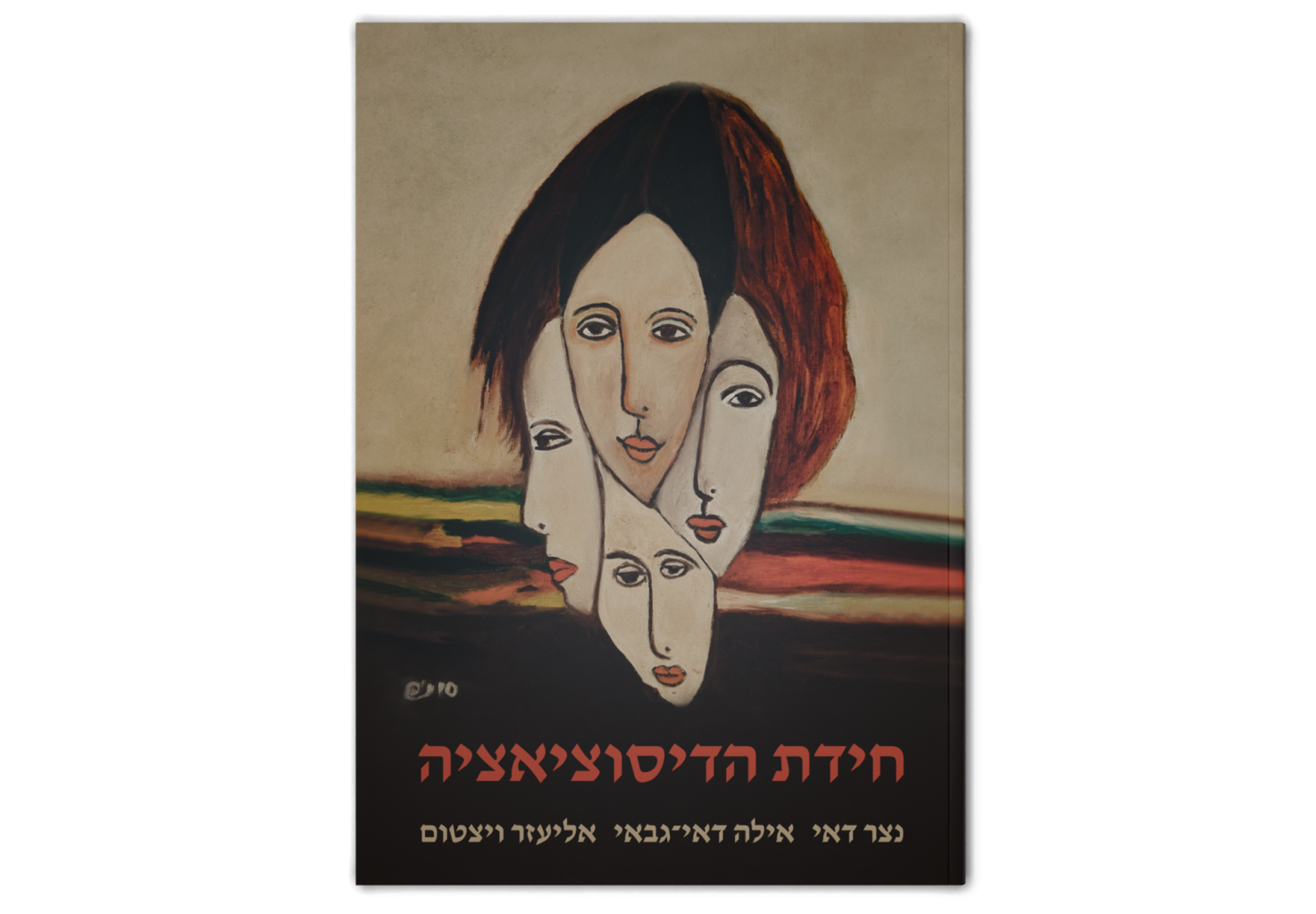
Netzer Daie is a senior clinical psychologist and certified supervisor in psychotherapy, psychodiagnostics, and hypnotherapy. He directs the HILA Institute for the Study and Practice of Hypnosis. With over forty years of clinical experience, he specializes in treating dissociative symptoms resulting from psychological trauma. He is the co-author of The Enigma of Dissociation (with Eliezer Witztum and Ayala Daie-Gabay; Itay Bahur Publishing, 2020).
Frequently Asked Questions
What is Eternal Present: A Story About Post Trauma about?
Post-traumatic stress and its impact following war.
How is the story told?
Through stream-of-consciousness narration that immerses the reader in the protagonist’s inner life.
Is it autobiographical?
The story is deeply informed by the author’s personal experiences and clinical work.
What does “eternal present” mean?
A state in which traumatic memories dominate the present moment.
Who should read this book?
Readers interested in the psychological effects of trauma, the experience of war, and the journey toward healing.
Key Topics
Post-traumatic stress disorder (PTSD)
Memories of war
Dissociation
Stream-of-consciousness narrative
Trauma and therapeutic approaches
Identity and migration