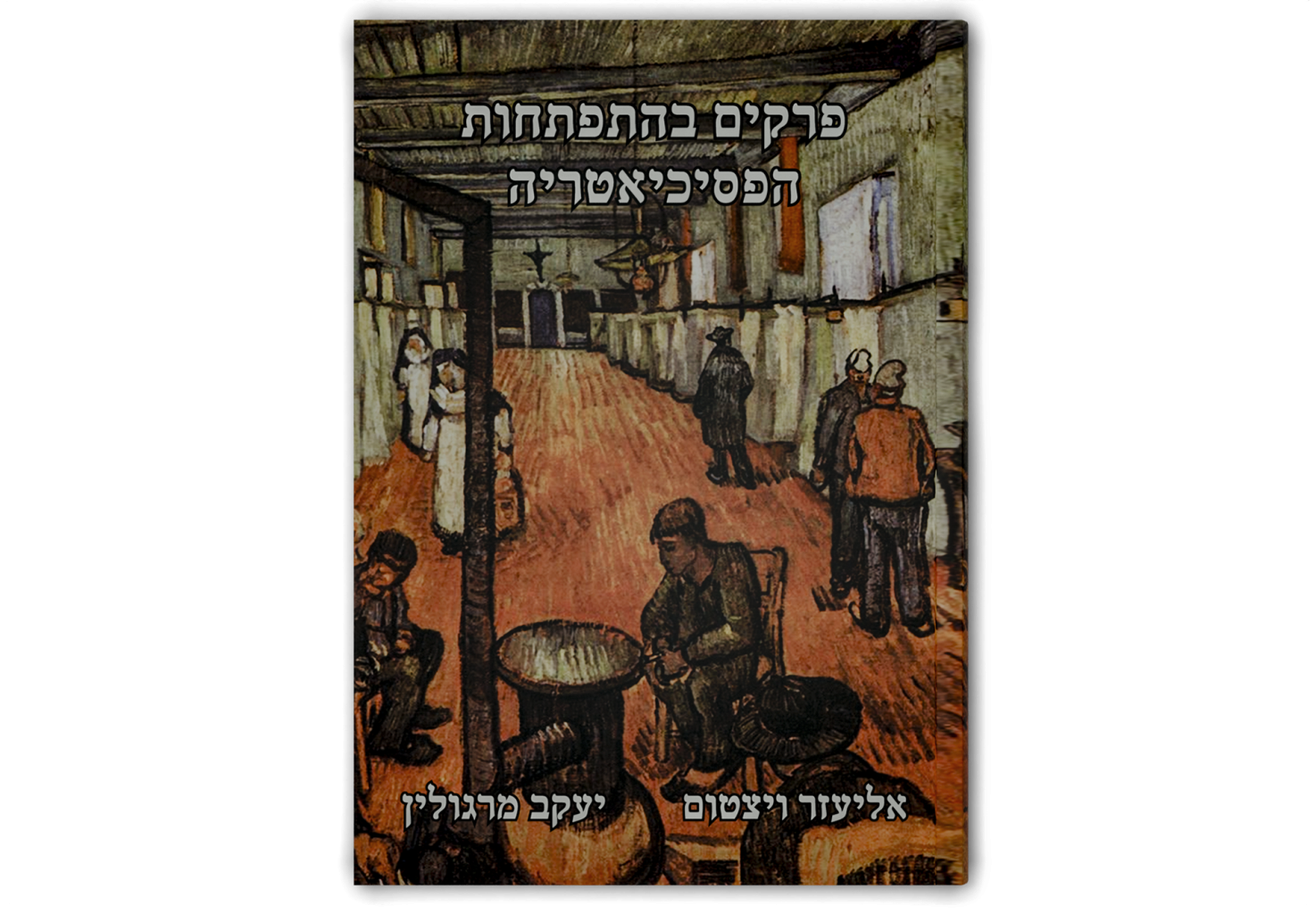
Chapters in the History of Psychiatry
Eliezer Witztum and Jacob Margolin
מחיר קודם: $66
$46
Availability: In Stock
Chapters in the History of Psychiatry by Prof. Eliezer Witztum and Jacob Margolin presents a distinctive historical exploration of psychiatry, tracing the evolution of understanding mental illness from early theories of “madness” to contemporary knowledge of psychological disorders. Combining rigorous historical research with extensive clinical insight, the book features 110 carefully restored illustrations. This edition offers a comprehensive resource for scholars, students, and readers interested in the intersection of psychopathology, society, and culture throughout history.
Witztum and Margolin’s book reminds readers that psychiatry is not only about the biological aspects of mental disorders, but also includes a comprehensive understanding of the social and cultural dimensions of illness and patient experience. Written with clarity and elegance, the book is enriched with vivid illustrations that integrate seamlessly with the text. Highly recommended.
— Mordechai Mashiach, Haaretz, Books, May 2nd, 2018
About the Book
Chapters in the History of Psychiatry takes readers on an illuminating journey through the evolution of psychiatry, from early attempts to understand “madness” to today’s scientific understanding of mental disorders. Drawing on decades of clinical experience and meticulous historical research, the book explores the diverse ways societies have interpreted and treated mental illness. From mystical and cultural explanations to early scientific approaches—and even treatments that resemble modern holistic practices—the volume captures the richness and complexity of psychiatric history.
The authors also address risky and harmful interventions from the past, illustrating how far the field has progressed. They highlight culture-bound syndromes and folklore-linked conditions, including vampirism, lycanthropy, voodoo practices, and the Islamic dybbuk, showing the intersection of mental health, culture, and society. Featuring 110 carefully restored illustrations, paintings, and photographs, the book combines visual appeal with scholarly rigor, offering a vivid, engaging, and accessible resource for anyone interested in the history, practice, and cultural dimensions of psychiatry.
About the Authors
Prof. Eliezer Witztum – Professor Emeritus of Psychiatry at Ben-Gurion University. Author of more than 200 scientific publications and several books in Hebrew on psychiatry and mental health.
Dr. Jacob Margolin – Senior psychiatrist, former director of mental health centers in Jerusalem and Jaffa, district psychiatrist in Tel Aviv, and member of regional psychiatric committees. Editor and co-author of works on forensic psychiatry and the history of mental health
Frequently Asked Questions
What is the book about?
It examines the evolution of psychiatry, from early attempts to understand “madness” to today’s modern understanding of mental disorders, integrating clinical expertise with social and cultural perspectives.
What makes this book unique?
The volume combines historical scholarship, decades of clinical experience, and 110 restored illustrations. It covers mystical, cultural, and scientific approaches to mental health, providing both a rich visual experience and professional insight.
What do the three sections cover?
1.Early interpretations and attempts to understand mental illness.
2.Treatments of the past, including risky or harmful interventions.
3.Culture-bound syndromes and folklore-related conditions, highlighting the intersection of society, culture, and psychiatry.
Who is the book for?
Clinicians, students, researchers, and readers with an interest in the history of psychiatry, psychology, medicine, and cultural studies.
What is the visual value of the book?
With 110 carefully restored illustrations, paintings, and photographs, the book provides a unique visual record that enhances both cultural and historical understanding.
Key Topics
History and evolution of psychiatry
Attempts to understand nature of madness
Early treatments and lobotomy
Culture-bound and folklore-related syndromes
Interaction of mental health, society, and culture
Clinical and historical knowledge combined
Restored illustrations and artworks